
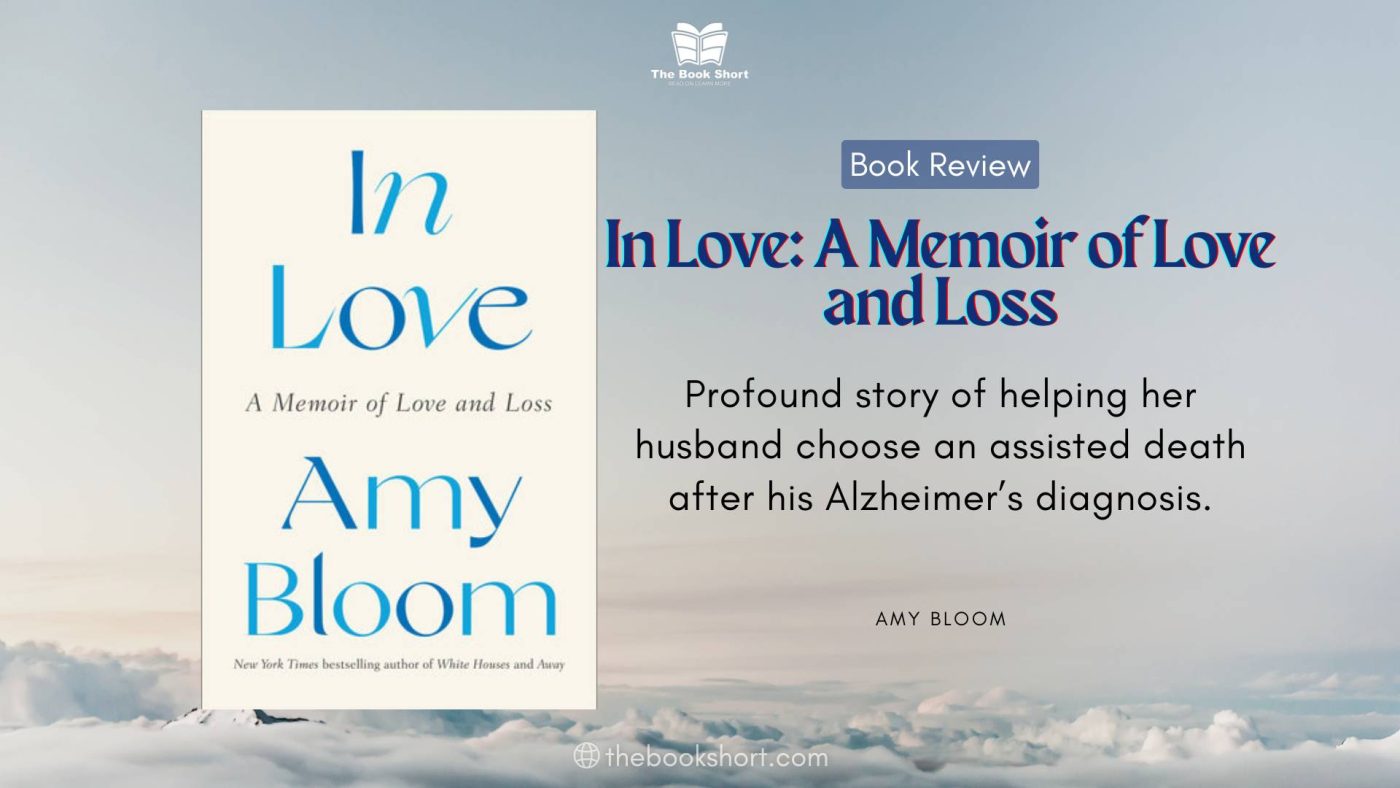
A profound memoir exploring love, loss, and the heart-wrenching choice to end a life with dignity. This analysis delves into In Love: A Memoir of Love and Loss by Amy Bloom, a raw and unflinching account of a wife’s journey supporting her beloved husband’s decision for assisted suicide following a devastating early-onset Alzheimer’s diagnosis. I chose this book for its courageous tackle of a deeply personal and ethically complex subject that resonates with universal questions about love, autonomy, and the definition of a life worth living. Its profound value lies in Bloom’s candid, unsentimental prose that illuminates the fierce connection between devotion and the respect for individual will in the face of terminal illness, offering an intimate perspective rarely explored with such honesty.
Essential Details: In Love: A Memoir of Love and Loss
- Title: In Love: A Memoir of Love and Loss
- Author: Amy Bloom
- Year of publication: 2022
- Genre: Memoir, Non-fiction, Biography (loosely fits)
- Number of pages: Approximately 208 (varies by edition)
- Target audience: Readers interested in deeply personal memoirs, end-of-life issues, medical ethics, love stories, grief, Alzheimer’s disease, and the topic of death with dignity.
Summary of In Love: A Memoir of Love and Loss: A Journey to Dignity
Amy Bloom’s powerful memoir In Love chronicles the final, most challenging chapter of her life with her husband, Brian Amen, after he receives a devastating diagnosis of early-onset Alzheimer’s disease. Far from a typical, lengthy narrative of decline and caregiving that often characterizes books about this illness, In Love sharpens its focus specifically on their mutual decision and subsequent journey to Switzerland to pursue assisted suicide at Dignitas, a non-profit organization providing assisted dying services. The book is not an exhaustive account of years of progressive illness, but rather a concentrated, intense look at the period from diagnosis to their final, deliberate act together.
The memoir opens by establishing the deep, loving, and intellectually vibrant partnership that defined Amy and Brian’s relationship. Brian, a successful architect, is presented as a man who deeply valued his independence, his sharp mental acuity, and his ability to engage fully and meaningfully with the world around him. The initial signs of cognitive decline are subtle yet persistent – misplaced items, forgotten appointments, a frustrating struggle with once-simple tasks, a subtle shift in personality. What initially might be dismissed as normal aging or stress quickly escalates into undeniable, alarming symptoms.
The Diagnosis and the Resolute Decision for Assisted Dying
The pivotal, life-altering moment arrives with Brian’s official diagnosis of early-onset Alzheimer’s. For Brian, a man acutely aware of himself and his capabilities, the implications are immediate and terrifyingly clear. Knowing his personality, his values, and his fierce independence, the prospect of losing his mind, his self-sufficiency, and eventually becoming a burden is unbearable. He is resolute and unwavering: he does not want to live through the agonizing, prolonged stages of severe cognitive decline that the disease inevitably promises. His wish is to maintain control over his end, choosing death while he is still fully capable of making that decision competently and purposefully.
Amy, though heartbroken and grappling with immense grief at the impending loss, understands and profoundly respects Brian’s position. Their marriage, built on a foundation of mutual respect, deep trust, and a shared understanding of each other’s core values, prepares them for this impossible conversation. Brian’s decision is portrayed not as one made in despair or haste, but as a rational, deeply considered choice born of his personal philosophy and his clear-eyed understanding of his likely future. The book portrays their discussions around this momentous decision not as a conflict or a desperate plea, but as a shared, somber recognition of an impossible situation and a joint search for a solution that would truly honor Brian’s wishes and preserve his dignity.
Navigating the Complex Path to Dignitas
Once the decision for assisted dying is made, the memoir chronicles the complex, often frustrating, and emotionally draining practicalities of pursuing assisted suicide abroad, especially as it was not legal in their home state at the time. Their extensive research leads them to Dignitas in Switzerland, one of the few places in the world that will assist non-residents in ending their lives under strict protocols. The process proves lengthy and bureaucratically demanding, involving multiple applications, providing detailed medical records verifying the terminal diagnosis, securing signed affidavits confirming Brian’s clear intent, and navigating bureaucratic hurdles across international borders – all under immense emotional pressure.
Bloom unflinchingly details the anxieties, the piles of paperwork, and the profound emotional weight carried during this period, all while Brian’s cognitive function continues its insidious, heartbreaking decline. The narrative highlights the immense difficulty of managing everyday tasks, finances, and planning complex international travel while simultaneously supporting Brian through increasing confusion and bearing the immense emotional burden they share. Bloom does not shy away from describing the logistical nightmares and the stark realities of planning one’s own death abroad, presenting these challenges with clarity and sometimes, dark humor.
The Journey and Final Days in Switzerland
The core of the book builds towards their poignant and surreal trip to Switzerland. This section is depicted as both deeply moving and, at times, strangely ordinary. Bloom describes their final days together in a foreign country – navigating public transport, sharing meals, and trying to maintain a semblance of normalcy while acutely aware of the ultimate, somber purpose of their trip. She captures the bittersweet moments of their last shared experiences, filled with love, profound sadness, and a shared, quiet resolve.
The memoir provides a detailed, sensitive account of the process at Dignitas – the required interviews with medical professionals to ensure Brian’s competency, the final confirmation of his understanding and unwavering intent, and the dignified presence of witnesses. Bloom describes the environment provided by Dignitas as professional, respectful, and compassionate, emphasizing that every step is carefully designed to ensure the decision is truly voluntary, informed, and meets stringent legal and ethical criteria.
The Final Act and Living with Loss
The book culminates in the deeply personal moment Brian takes the lethal dose. Bloom describes this final act with stark honesty, immense tenderness, and focus, centering on their final exchange, the words of love shared, and Brian’s peaceful passing, held in her arms. The memoir doesn’t dwell excessively on the technical details of the death itself but rather on the emotional weight, the quiet dignity, and the profound intimacy of the moment as they experienced it together.
The final parts of the book touch upon the immediate aftermath – dealing with the authorities in Switzerland, the practicalities of bringing Brian’s ashes home, and the slow, complex, and painful process of grieving and adjusting to a life irrevocably changed by his absence and their shared choice. Bloom reflects on the difficulty of explaining their decision to others, the potential judgment they anticipated or sometimes faced, and the profound emptiness left by Brian’s absence, while also affirming the love and strength found in honoring his will.
Throughout the summary, it’s crucial to note Bloom’s remarkably steady, clear, and often subtly humorous tone, even when recounting the most painful and challenging events. The unwavering focus remains on the deep love between Amy and Brian and the extraordinary strength of their partnership in facing an impossible situation and making an agonizing choice together. The memoir is a powerful exploration not just of death, but of a life lived with intention, and a death pursued with autonomy, love, and mutual respect.
Analysis of In Love: A Memoir of Love and Loss
In Love is a searingly honest and unconventional memoir that compels readers to confront deeply uncomfortable yet essential questions about love, control, mortality, and the definition of a “good death.” Amy Bloom’s narrative is marked by its striking honesty, a deliberate avoidance of sentimentality, and a profound emotional depth that resonates despite the difficult subject matter.
Structure, Characters, and Central Arguments
The memoir’s structure is largely chronological, tracing the timeline from diagnosis to Brian’s death, but its focus is less on the linear progression of illness and more on the stages of their decision-making process and the practical, emotional journey towards assisted death. The book is relatively short, concise, and intensely focused, concentrating its narrative power on the specific period from diagnosis to the final act, which lends it an immediate and urgent quality. Bloom skillfully weaves in brief, poignant anecdotes from their vibrant shared past, grounding their ultimate, difficult decision firmly in the context of their strong, loving relationship and Brian’s well-established character.
The central figures are, of course, Amy and Brian. Brian is portrayed as a man of sharp intellect, infectious humor, and fierce independence – qualities that make his Alzheimer’s diagnosis particularly cruel and his subsequent decision to seek assisted dying entirely consistent with the man he had always been. Amy is depicted as a devoted, pragmatic, and incredibly strong partner who, in the ultimate act of selfless love, prioritizes her husband’s wishes and dignity above her own profound desire to keep him with her. Their relationship is the narrative’s unshakeable anchor, presented as a true partnership built on mutual respect, deep affection, and an unwavering commitment to supporting each other, even through the most challenging circumstances imaginable.
The core argument of the book, though presented implicitly through their deeply personal story rather than overt polemic, is a powerful case for death with dignity and patient autonomy. Bloom doesn’t preach or moralize, but through the lived experience of Amy and Brian, she illustrates the profound value Brian placed on maintaining control, consciousness, and agency until the very end. The memoir compellingly argues that for some individuals, particularly those facing terminal neurodegenerative diseases that rob them of their minds and bodies, assisted suicide can be a rational, loving, and dignified choice when confronted with the terrifying prospect of a prolonged, undignified decline and the complete loss of self. It highlights the agonizing lack of legal and medical options for such individuals in many parts of the world.
Writing Style, Tone, and Literary Quality
Bloom’s writing style is arguably the book’s most celebrated strength. Known for her concise, elegant, and often witty prose in her fiction, she brings the same masterful skill and precision to this non-fiction account. Her sentences are crystalline clear, direct, and notably devoid of melodrama or excessive sentimentality. She employs a dry wit and moments of dark, insightful humor that provide necessary, grounding levity against the overwhelmingly heavy subject matter. This unsentimental, honest approach makes the emotional core of the story even more potent and authentic, allowing the reader to feel the depth of love and pain without being manipulated. The literary quality is exceptionally high – the narrative is utterly compelling, the emotional truth is palpable, and the complex ethical questions are presented with remarkable nuance, sensitivity, and intelligence. Bloom manages to be deeply personal and revealing without ever feeling overly self-indulgent, maintaining a consistent focus on the shared experience with Brian and the decisions they made together.
What truly distinguishes In Love from many other memoirs of grief, illness, or loss is Bloom’s central focus on the choice of death and the active, collaborative pursuit of it as a final, powerful expression of love, autonomy, and agency within the partnership. Many memoirs in this genre chronicle the process of dying due to natural causes or accidents, or focus primarily on the aftermath of loss. In Love specifically addresses the complex ethical, legal, practical, and emotional dimensions of choosing the time and manner of death in the face of a terminal illness that would otherwise lead to profound suffering and loss of self, a topic still deeply taboo and legally fraught in many parts of the world. It’s less about mourning a death that happened to them, and more about honoring a death they deliberately and courageously orchestrated together. The practical, granular details of navigating the specific process with an organization like Dignitas also provide a unique, eye-opening perspective often missing in broader public discourse about assisted dying.
Notable Quotes from the book In Love: Amy Bloom’s Memoir of Love and Loss
- “Love is not a feeling, Brian and I had discovered. It is an ability.” (This powerful line encapsulates their view of love as an active choice, a capacity for deep partnership and enabling the other’s well-being and will.)
- “We were going to Switzerland, not to end a life, but to end a death.” (A striking, memorable phrase that articulates their perspective on choosing a swift, controlled end over a prolonged, undignified decline.)
- “I never thought I would end up doing this. I just thought I would end up dying.” (Brian’s simple, profound statement conveying his preference for agency and a chosen end over a natural, potentially agonizing one dictated by disease.)
- “It turns out that planning the end of your life is a lot like planning a trip, except the destination is final.” (This quote captures the surreal, mundane-meets-profound reality of their undertaking and Bloom’s characteristic blend of practicality and dry observation.)
Evaluation & Personal Review of In Love: A Memoir of Love and Loss
Reading In Love is undeniably a profound and emotionally resonant experience. My personal impression is one of deep admiration – for Amy Bloom’s extraordinary courage, both in the life-altering choices she made with Brian and in her willingness to share such an incredibly vulnerable and controversial story with the world. The book is deeply moving, yet notably avoids any form of emotional manipulation. It’s the quiet strength, the unwavering clarity of Bloom’s voice, and the stark, unvarnished reality of their situation, illuminated by their enduring love, that resonates most powerfully.
One major strength and advantage of this memoir is its unflinching honesty and lack of sentimentality. Bloom doesn’t soften the edges or sugarcoat the pain, the fear, the logistical nightmares, or the immense grief inherent in their situation. Yet, amidst the immense gravity of the subject, she skillfully weaves in moments of genuine tenderness, shared jokes, and the constant, grounding presence of their deep love, which prevents the book from ever becoming solely a narrative of despair or clinical detachment. A potential “disadvantage,” though perhaps more accurately described as an inherent challenge, is the subject matter itself. It is undeniably emotionally demanding and confronts deeply held personal, religious, and ethical beliefs about life, death, and suicide, which some readers may find upsetting, confronting, or difficult to accept or process.
The readability level of In Love is high, despite the weighty themes. Bloom’s prose is exceptionally accessible, clear, concise, and flows beautifully. It is a relatively short book, but its emotional and intellectual impact is significant and lasting. It is suitable for a wide range of readers, particularly those who appreciate expertly crafted memoirs, are interested in thoughtful discussions around end-of-life care and medical ethics, or are grappling with similar complex ethical questions regarding autonomy, dignity, and terminal illness. However, it might not be suitable for readers who are highly sensitive to direct discussions about death and suicide, or those who hold strong religious or ethical objections to assisted dying that might prevent them from engaging with the narrative empathetically.
The practical value of In Love is immense and far-reaching. It serves as a powerful catalyst for crucial conversations about death with dignity, patient autonomy, the realities of neurodegenerative diseases like Alzheimer’s, and what it truly means to support someone you love through an impossible situation that challenges societal norms. It offers poignant lessons on the enduring strength of partnership in the face of unimaginable adversity and challenges readers to consider their own values regarding quality of life versus simply prolonging biological existence at any cost. It fosters empathy and understanding for individuals and families forced to make incredibly difficult, often lonely decisions under immense pressure and societal judgment. For many, the book can certainly change one’s mindset about assisted dying, presenting it not as an act of giving up or despair, but potentially as a final, powerful act of control, courage, and profound love within a partnership.
Comparison with Similar Books Exploring Mortality and Loss
In Love: A Memoir of Love and Loss stands alongside other powerful memoirs and non-fiction works that bravely explore mortality, terminal illness, and the human experience of dying and grief. It shares thematic similarities with several notable books:
- When Breath Becomes Air by Paul Kalanithi: Both memoirs are written from perspectives deeply affected by terminal illness (though Kalanithi is the patient, a neurosurgeon reflecting on facing his own death, while Bloom is the partner). Both grapple movingly with fundamental questions about the meaning of life, identity, purpose, and legacy when confronted with severely limited time. However, Kalanithi’s book is a physician-philosopher’s internal reflection on his own impending death, while Bloom’s is the partner’s account and specifically focuses on the collaborative decision and process of chosen assisted dying, offering a unique external perspective on this deeply personal choice.
- The Year of Magical Thinking by Joan Didion: This iconic memoir also deals with sudden, profound loss (the death of her husband and illness of her daughter, though the death was not chosen) and explores grief with raw intellectual and emotional honesty, dissecting the mind’s response to trauma. Both Bloom and Didion employ precise, unsentimental language to probe profound loss and the complexities of love, but Bloom’s narrative is distinctly focused on the active, planned participation in the end-of-life process and the ethical dimensions therein, contrasting with Didion’s exploration of the involuntary shock and psychological processing of grief.
- Being Mortal: Medicine and What Matters in the End by Atul Gawande: While not a memoir in the traditional sense, Gawande’s non-fiction work is a deeply insightful exploration by a surgeon of how medicine can better serve individuals nearing the end of life. It ethically and medically examines the disconnect between modern medicine’s capacity to prolong life and its failure to prioritize quality of life and patient wishes. Like In Love, it advocates for difficult conversations about what constitutes a good life and a good death, making it a crucial companion read for those interested in the broader societal and medical context surrounding Bloom’s personal story.
If readers appreciated In Love for its candid portrayal of a couple facing terminal illness together, navigating incredibly difficult end-of-life decisions, and its thoughtful exploration of autonomy and love, they would likely find resonance in these related works:
- When Breath Becomes Air by Paul Kalanithi (for the patient’s perspective on facing death)
- The Bright Hour: A Memoir of Living and Dying by Nina Riggs (another moving memoir by a young mother facing terminal cancer)
- Being Mortal: Medicine and What Matters in the End by Atul Gawande (for a broader medical and ethical discussion of end-of-life care)
Conclusion and Recommendations for In Love: A Memoir of Love and Loss
In Love: A Memoir of Love and Loss by Amy Bloom is an outstanding, brave, and profoundly important book that confronts one of the most challenging subjects imaginable – choosing death in the face of terminal illness – with remarkable grace, piercing honesty, and unwavering love. Its unique and outstanding value lies in its intimate perspective on assisted dying, presenting it not as a failure of care or an act of despair, but potentially as a deeply personal, rational, and ethical choice made by a couple determined to face the end of Brian’s life on their own terms, preserving his dignity and autonomy.
Is In Love worth reading? Absolutely, but only if you are prepared for its emotionally demanding and ethically challenging subject matter. It is a masterclass in the memoir form – concise, powerful, and deeply moving without resorting to sentimentality. More than that, it is a powerful exploration of love in its most demanding, selfless, and courageous form.
Who should read this book? In Love is essential reading for anyone interested in deeply personal memoirs, medical ethics, end-of-life discussions, and understanding the devastating impact of neurodegenerative diseases like Alzheimer’s on individuals and families. It is particularly valuable for healthcare professionals, ethicists, counselors, and anyone grappling with or interested in the complex, often taboo, debate surrounding death with dignity and patient autonomy.
Have you read In Love: A Memoir of Love and Loss by Amy Bloom? What were your thoughts? Share your perspective and reflections in the comments below!