
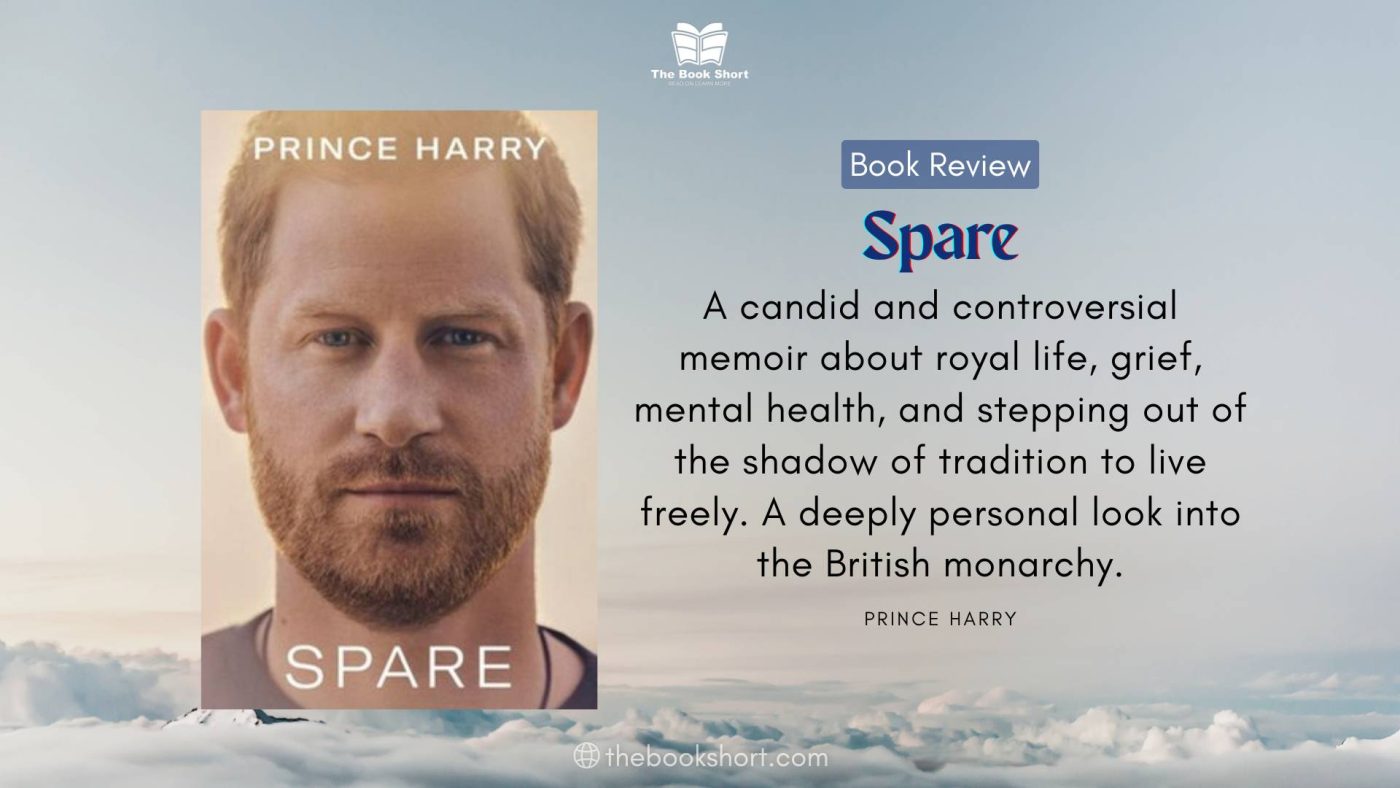
Prince Harry’s memoir, Spare, pulls back the velvet curtain on palace life with unprecedented candor, revealing the profound struggles, enduring grief, and the ultimate quest for a life defined by more than just royal duty.
Compelling, raw, and deeply personal, Prince Harry’s memoir, Spare, delves into a life lived under the unrelenting glare of the global spotlight—a life marked by immense privilege yet shadowed by profound pain. This book demands attention because it offers a rare, unfiltered, first-person account from within one of the world’s most scrutinized families. It promises unique, sometimes startling, insights into the complex pressures and seldom-seen realities of being born into royalty. Its sheer vulnerability, coupled with the seismic global conversation it ignited upon release, makes it an undeniably compelling subject for analysis.
Key Information about the Book Spare
- Title: Spare
- Author: Prince Harry, The Duke of Sussex
- Year of Publication: 2023
- Genre: Memoir, Autobiography
- Page Count: Approximately 416 pages (varies by edition)
- Ideal Reader: Those fascinated by the British Royal Family, readers drawn to celebrity memoirs and personal narratives of overcoming adversity, individuals interested in mental health journeys, and anyone curious about the complexities of duty versus personal freedom.
Comprehensive Summary of Prince Harry’s Memoir Spare
Spare unfolds as Prince Harry’s unflinching, expansive memoir, chronicling his experiences from the innocence of childhood through to his adult life and controversial decision to step back from royal duties. The narrative is primarily structured into three chronological parts, though it fluidly weaves together recurring thematic threads of grief, identity, the weight of duty, and the yearning for personal freedom.
The book immediately establishes Harry’s unique position within the Royal Family: the “spare” to his older brother, William, the destined “heir.” This fundamental concept of being secondary, and the resultant feelings of otherness, searching for purpose, and perceived expendability, becomes a foundational theme woven deeply throughout the entire narrative.
Part One: Growing Up in the Shadow
This section delves into Harry’s early life, dominated by the searingly traumatic death of his mother, Diana, Princess of Wales, when he was just 12 years old. The profound, lasting impact of this loss is a central, aching thread, detailing his desperate struggle to process his grief, the bewilderingly public nature of his mourning, and the subsequent emotional detachment he developed as a defense mechanism.
- Early Years and Education: Harry recounts his formative years, including the often-lonely experiences at boarding school (Ludgrove and Eton). He describes the unsettling disconnect he felt between his carefully curated public image and his turbulent private struggles, highlighting the intense, constant media scrutiny he endured from a very young age.
- Diana’s Death and Lingering Aftermath: The book provides a raw, detailed, and heartbreaking account of the day his mother died and the disorienting, surreal period that followed. Harry reflects on the overwhelming public outpouring of grief and his internal battle to reconcile this collective emotion with his own unprocessed, stifled feelings. He particularly focuses on the feeling of being unable to cry publicly and the long-term psychological toll this took.
- Adolescence and Acts of Rebellion: This part covers his turbulent teenage years, including his controversial experimentation with drugs and alcohol, which he frames as desperate coping mechanisms for his unresolved grief and mounting anxiety, fueled significantly by the relentless paparazzi pursuit. He offers his perspective on infamous incidents, such as the regrettable Nazi uniform scandal, discussing the circumstances and devastating fallout.
- Ambitions for Military Service: Harry articulates his deep-seated desire to join the military, seeing it as a potential path to finding genuine purpose, escaping the suffocating pressures of royal life, and forging an identity independent of the constant media gaze.
Part Two: Finding Purpose and Navigating Challenges
This section shifts focus to Harry’s young adulthood, detailing his experiences in the military, his initial foray into royal duties as an adult, and the intensifying battles with his mental health and the increasingly fraught relationship with the media.
- Military Career Experiences: A significant portion is dedicated to his time in the British Army, including his deployment to Afghanistan. Harry vividly describes the powerful camaraderie he found, the liberating sense of equality and purpose, and the stark challenges of active service. He recounts specific missions and the emotional weight of conflict, including a controversial passage where he admits to killing enemy combatants, framed within the context of war’s harsh realities.
- Adjustment to Civilian/Royal Life: Upon leaving the military, Harry describes feeling directionless and adrift. He takes on more royal duties but feels increasingly hemmed in by rigid protocol, stifling public expectations, and the constant, invasive presence of the paparazzi. He discusses his impactful charitable work, particularly founding the Invictus Games, highlighting the profound fulfillment he discovered in serving others and honoring veterans.
- Candid Mental Health Journey: Harry is strikingly candid about his protracted battles with anxiety, debilitating panic attacks, and the lingering, unresolved trauma stemming from his mother’s death. He describes years spent suppressing his emotions and the eventual, crucial realization that he desperately needed professional help, detailing his transformative experiences with therapy.
- Navigating Relationships and Dating: He discusses the immense difficulty of forming and maintaining relationships under such intense, relentless media scrutiny. He recounts the challenges faced by his previous girlfriends and the constant, destructive pressure the press exerted, often contributing to their relationships ending.
Part Three: Love, Marriage, and the Decision to Step Back
The final section chronicles Harry’s relationship with Meghan Markle, their whirlwind courtship and marriage, the unprecedented challenges they faced both within the Royal Family and from the media, and their eventual, momentous decision to step back from senior royal duties.
- Meeting Meghan Markle: Harry describes meeting Meghan and the immediate, powerful connection he felt. He details their clandestine courtship, their efforts to shield their burgeoning relationship from the press, and the overwhelming joy and profound relief he experienced in finally finding a life partner.
- The Unprecedented Media Onslaught: This part heavily focuses on the intense, relentless, and, in Harry’s view, often racially charged media coverage directed at Meghan. He meticulously details instances of perceived media bias, targeted harassment, and the perceived failure of the royal “Institution” to adequately protect her from it.
- Challenges and Tensions within the Institution: Harry describes escalating tensions and perceived lack of support within the Royal Family, particularly concerning his relationships with his father (Charles) and brother (William) regarding Meghan and the media storm. He recounts specific incidents, arguments, and conversations that highlight strained relationships, deep-seated misunderstandings, and the feeling that Meghan was treated fundamentally differently than others who had married into the family.
- The Pivotal Decision to Step Back: Harry carefully lays out his motivations and reasoning behind their decision to step back as senior royals, framing it as an absolute necessity for their mental health, safety, and to protect their future family from relentless pressure. He describes the complex negotiations, the resulting fallout, and the emotional cost of this monumental choice.
- Building a New Life in California: The book concludes with Harry reflecting on their new life in California, their efforts to achieve financial independence, and their earnest desire to raise their children in a more private, stable, and secure environment, while still committed to advocating for causes they deeply believe in.
Throughout Spare, Harry positions himself as an individual battling against formidable forces – the ancient institution of the monarchy and the powerful, often destructive, machine of the media – which he believes inflicted immense personal pain and ultimately compelled him to make agonizing choices for his own well-being and the future of his family.
In-Depth Analysis of the Themes and Style in Spare
Spare transcends a simple chronological autobiography; it is a profound, deeply personal exploration of unresolved trauma, the complex forging of identity, and the suffocating weight of public life when intertwined with an ancient institution. The book’s core message is a raw, often painful, quest for authenticity and internal peace amidst extraordinary circumstances, starkly illuminating the personal cost of inherited duty and the desperate struggle for mental and emotional well-being.
Key Figures, Structure, and Central Arguments
The central “characters” are, inevitably, members of the Royal Family, presented almost exclusively through Harry’s subjective, deeply personal lens.
- Prince Harry: Portrayed as a highly sensitive, wounded, and ultimately resilient individual grappling with profound grief, debilitating anxiety, and a lifelong search for belonging, validation, and purpose beyond his predetermined role.
- Prince William: Often depicted with nuance and complexity – at times a close confidante and protector, at other times the embodiment of the more traditional, rigid “Heir,” seemingly wary, unsupportive, or dismissive of Harry and Meghan. The painful fracturing of their once-close relationship is a significant emotional arc.
- King Charles III: Presented as a figure who struggled with emotional connection, particularly with his sons after Diana’s death, often appearing to prioritize the demands and image of the ‘Institution’ over deeply personal feelings and relationships.
- Meghan Markle: Depicted as Harry’s anchor and perceived savior, a strong, independent woman who faced unprecedented, often unfair and allegedly racially motivated, criticism and a perceived lack of adequate protection from both the institution and the media.
The structure follows a broadly linear path (Part 1: childhood/grief/trauma; Part 2: military service/young adulthood struggles; Part 3: relationship/stepping back), but it frequently employs evocative flashbacks, internal monologues, and thematic digressions. This technique serves to underscore the long-term impact of past experiences, particularly the enduring effects of his mother’s death and persistent media intrusion, effectively connecting his past wounds to his present struggles and decisions.
Central arguments powerfully articulated within the memoir include:
- The tabloid media, particularly the British press, acts as a predatory, morally bankrupt force that actively causes immense harm to individuals in the public eye and was directly culpable in the suffering of both his mother and, later, his wife.
- The “Institution” itself (the operational entity of the monarchy) is portrayed as failing to protect its members from this media onslaught, and at times, allegedly collaborating with or sacrificing individuals for the sake of maintaining its own public image or adhering to rigid tradition.
- Being relegated to the role of the “spare” inherently fostered a deep-seated sense of being secondary, expendable, or less valued than the “heir,” profoundly contributing to Harry’s lifelong identity issues and a feeling of being trapped by circumstance.
- The devastating, long-lasting effects of unprocessed grief and childhood trauma on mental health are starkly illustrated, emphasizing the critical necessity and courage required to seek professional help and embark on a healing journey.
Writing Style & Content Quality Assessment
The writing style, crafted by Pulitzer Prize-winning ghostwriter J. R. Moehringer in collaboration with Harry, is notably informal, conversational, and intensely personal. It achieves a distinct voice that feels as though Harry is speaking directly and intimately to the reader, employing colloquialisms, raw emotional language, and vivid, sometimes blunt, descriptions. The prose, particularly when recounting moments of intense emotion, military action, or personal crisis, can be gripping and memorable.
The content quality is inherently subjective, generating widespread debate, but its impact is undeniable due to its unprecedented nature. Harry reveals highly intimate details about his life, struggles, and sensitive family relationships that were previously only fodder for speculation and gossip columns. While critics have questioned the objective accuracy or fairness of his portrayals of others, the book undeniably succeeds in conveying Harry’s deeply held subjective truth and emotional experience. The narrative is often compelling, providing a vivid look inside a unique life. However, some passages focusing repeatedly on media grievances can feel somewhat repetitive, and the level of detail on certain minor incidents occasionally dilutes the focus on the more significant themes.
What truly distinguishes Spare from many other celebrity memoirs is the unparalleled level of access – a voice from the very center of one of the world’s most recognizable and historically significant institutions. While many public figures discuss the challenges of fame, Spare navigates the specific, complex, and often adversarial relationship between the British press and the Royal Family. Harry’s level of candidness regarding his mental health struggles, past drug use, controversial military actions, and detailed accounts of familial disputes is extraordinary, especially from a royal figure. It reads less like a polished, carefully curated public relations exercise and more like a deliberate, emotionally charged airing of grievances and vulnerabilities, explicitly aimed at reclaiming his personal narrative from years of public speculation and press intrusion. It stands in sharp contrast to the more reserved, traditional royal biographies or historical accounts that typically emerge.
Memorable Quotes from Spare
These passages capture the emotional core and central themes of the book:
- “I was the shadow, the support, the Plan B.” (Encapsulating the ‘spare’ identity)
- “The pain was so visceral, so raw, so permanent.” (Reflecting on the lasting impact of his mother’s death)
- “My life had been a never-ending barrage of photographers. A perpetual war.” (Describing the constant media pressure)
- “I saw Meghan and knew, instantly, that I wanted to spend the rest of my life with her.” (Highlighting the significance of their relationship)
- “We just needed to step back from royal life to have peace.” (Explaining the motivation for their controversial decision)
- “I needed to break the cycle of pain and suffering.” (Underscoring the theme of healing and generational trauma)
Evaluation & Personal Review of Prince Harry’s Memoir
Spare is undoubtedly a challenging, sometimes uncomfortable, but ultimately deeply compelling read. As a reviewer, my personal impressions are complex and multifaceted, acknowledging both its undeniable impact and its potential shortcomings.
Key Strengths (Advantages):
- Unprecedented Honesty & Vulnerability: Harry’s willingness to lay bare his deepest vulnerabilities – including detailed accounts of his mental health struggles, trauma processing, therapy experiences, and painful family dynamics – is remarkable. This level of candor adds significant value for readers seeking the authentic human experience behind the public figure.
- Unique Insider Perspective: The book offers a singular, albeit inherently biased, view of the inner workings, intricate pressures, and often-stifling atmosphere of the British Royal Family and its often-fraught relationship with the media.
- Resonating Universal Themes: Despite the extraordinary context, the core themes of navigating grief, searching for identity, managing family tension, and the fundamental human desire for a fulfilling, authentic life resonate powerfully on a universal level. His openness about mental health struggles is particularly timely and valuable for fostering broader conversations.
- Engaging Narrative Craft: The ghostwriter has successfully crafted a narrative that is often gripping and page-turning, effectively drawing the reader into Harry’s emotional world and lived experience.
Areas for Consideration (Disadvantages):
- Inherent Subjectivity & Bias: As with any memoir, the narrative is entirely from Harry’s subjective perspective. This inevitably leads to potentially one-sided, or at least highly personal, portrayals of other individuals and complex situations. Given the high-profile nature of the figures involved, this aspect has invited significant scrutiny regarding objective accuracy and perceived fairness.
- Occasional Repetitiveness: At times, the narrative’s intense, recurring focus on media intrusion and its destructive effects, while central to Harry’s experience, can feel somewhat repetitive across several chapters.
- Narrative Tone: Some readers may find the tone in certain sections to lean towards resentment or perceived self-pity, depending on their existing perspective on the events described.
Readability and Accessibility: Despite its length and dense subject matter, the book is highly readable. The language is generally accessible, and the storytelling flows well, making it suitable for a wide audience, including those who might not typically engage with lengthy non-fiction or royal histories. The structure is clear, and the emotional narrative keeps the reader invested.
Who Should Read Spare?:
- Anyone with a strong interest in the British Royal Family, its history, and recent events.
- Readers captivated by celebrity memoirs and the unique challenges of living under intense, constant public scrutiny.
- Individuals interested in personal accounts of mental health struggles, trauma recovery, and the healing process.
- Anyone curious about the personal motivations and emotional journey behind Prince Harry and Meghan Markle’s widely discussed departure from royal duties.
Practical Takeaways and Value:
- Lessons on Trauma, Grief, and Healing: Harry’s raw, honest journey highlights the long-term, often hidden, impact of unprocessed trauma and the immense courage required to confront it and seek help, underscoring the vital importance of prioritizing mental wellness.
- Understanding the Psychological Price of Fame: The book serves as a stark, often uncomfortable, reminder of the extraordinary pressure and significant psychological toll that relentless public scrutiny and lack of privacy can inflict on an individual.
- Encouraging Critical Perspective: While presenting one distinct perspective, it compels readers to think critically about dominant media narratives surrounding public figures and to consider the human cost behind the headlines.
- Resonance on a Personal Level: The overarching themes of finding one’s voice, setting necessary boundaries for well-being, and striving for authenticity despite external pressures can resonate deeply with readers navigating their own life challenges and complex family dynamics. While not a self-help guide, the emotional arc offers a form of resonant inspiration.
Ultimately, Spare is a book designed to provoke thought and evoke strong emotional responses, precisely because of its raw, deeply personal nature and the sensitive, controversial subjects it tackles head-on.
Comparison with Similar Books and Complementary Reads
Spare occupies a distinct space among royal biographies and memoirs primarily because of its unprecedented level of deeply personal disclosure, its direct confrontation of trauma, and its open criticism of both the royal institution and the tabloid media. Traditional royal biographies often fall into categories of either authorized (and typically more reserved) accounts or historical/critical analyses written by journalists or historians from an external perspective.
When compared to other prominent memoirs about fame, public life, and political families – such as those by Barack and Michelle Obama, or other high-profile celebrity accounts – Spare delves into the very specific, often unique, challenges of navigating life within a thousand-year-old monarchy while simultaneously being subjected to the intense glare and often adversarial relationship with modern media. While many memoirs touch on media attention, Harry’s perspective is singular due to this particular, entrenched dynamic between the British press and the Royal Family.
For readers who connected with Spare due to its focus on specific themes, here are some potential complementary reads:
- For readers interested in the personal cost of public life and fame: They might find resonance in memoirs by other figures who have grappled with intense scrutiny and the challenge of maintaining identity, such as Becoming by Michelle Obama (for its exploration of identity, duty, and life in the public eye) or other candid celebrity memoirs that detail the pressures of fame away from the spotlight.
- For readers interested in mental health struggles, trauma, and healing: Books offering clinical perspectives or personal accounts of overcoming deep-seated trauma could be relevant. Examples include The Body Keeps the Score by Bessel van der Kolk (a foundational text on trauma) or memoirs by individuals who have bravely shared their own mental health journeys.
- For readers interested in behind-the-scenes looks at powerful, traditional institutions: While few offer this level of intensely personal, internal detail, readers interested in the dynamics of families within powerful structures might explore biographies of other political dynasties or historical figures who wrestled with duty and personal desire, though these are often more historical analyses than raw memoirs.
- For readers fascinated by the British Royal Family: While Spare is unparalleled in its insider perspective from a principal figure, readers might gain broader context or alternative viewpoints from well-regarded biographies of other royals (such as Queen Elizabeth II, Prince Philip, or Prince Harry’s mother, Princess Diana) written by reputable journalists or historians, which offer different lenses through which to view the same institution and events.
Conclusion and Recommendations for Reading Spare
Spare stands as a powerful, often provocative, and undeniably significant memoir that offers an unparalleled, unfiltered glimpse into the complex life and deep-seated struggles of Prince Harry. Its enduring value lies in its raw honesty, its courageous exploration of trauma and mental health challenges set against the backdrop of extreme public pressure, and its potential to ignite crucial conversations about the role and impact of the media and the profound human cost of life within ancient, rigid institutions.
Is Spare worth reading? Yes, absolutely, if you are genuinely interested in gaining a deep, albeit inherently subjective, understanding of Prince Harry’s lived experience, his personal narrative, and the complex tapestry of events and emotions that shaped his controversial decisions and his path towards seeking a different life.
Who is the ideal reader for Spare? This book will resonate most strongly with those fascinated by the intricate dynamics of the British Royal Family, the complex relationship between fame and media, or individuals drawn to compelling personal stories of confronting significant adversity, trauma, and the challenging process of healing. It is a book that is almost guaranteed to evoke strong reactions and spark debate, but it is undeniably a culturally significant document of our contemporary moment.
Have you read Prince Harry’s memoir, Spare? We invite you to share your thoughts, reactions, and insights in the comments section below!