

Feeling relentlessly battered by your inner critic? Imagine finding a steady, unwavering source of kindness within yourself. This piece delves into Kristin Neff’s profoundly impactful book, Self-Compassion: The Proven Power of Being Kind to Yourself. Forget the exhausting hamster wheel of constantly trying to boost self-esteem; Neff offers an evidence-based pathway to emotional resilience rooted not in being better than others, but in simply being human. It’s a refreshing blend of rigorous psychological research and deeply practical wisdom, making it an essential guide for anyone seeking a more peaceful and accepting relationship with themselves.
Basic Information About the Book Self-Compassion
- Title: Self-Compassion: The Proven Power of Being Kind to Yourself
- Author: Kristin Neff, Ph.D. (a leading researcher in the field of self-compassion)
- Publication Year: 2011 (Original Hardcover)
- Genre: Self-Help, Psychology, Mindfulness, Mental Wellness
- Length: Approximately 320 pages (note: page counts can vary slightly by edition)
- Target Audience: Anyone navigating the challenges of self-criticism, perfectionism, anxiety, depression, shame, trauma, or simply wishing to cultivate greater inner peace, emotional strength, and acceptance.

Self-Compassion: The Proven Power of Being Kind to Yourself
Main Content Summary of Self-Compassion
Kristin Neff’s Self-Compassion isn’t just a book; it’s a comprehensive roadmap to transforming your relationship with yourself. It masterfully introduces, defines, and explores the concept of self-compassion, drawing a crucial distinction between this gentle yet powerful approach and the often-fragile pursuit of self-esteem. Backed by robust psychological research and illuminated by practical exercises, the book guides readers from theoretical understanding to lived experience.
The heart of the book is built upon Neff’s foundational model of self-compassion, which comprises three interwoven components that work together to foster resilience and well-being:
The Three Core Components of Self-Compassion Explained
- Self-Kindness vs. Self-Judgment: This is the active choice to be warm and understanding toward ourselves when we’re suffering, feeling inadequate, or making mistakes, rather than succumbing to harsh self-criticism. It asks us to respond to our pain with the same gentle patience and care we would instinctively offer a dear friend in need. It’s about nurturing ourselves, not neglecting or punishing our perceived failures.
- Common Humanity vs. Isolation: This component involves recognizing that suffering, imperfection, and failure are not personal anomalies but universal aspects of the shared human condition. When we face difficulty, self-compassion helps us connect with others rather than feeling isolated or believing that “I’m the only one” struggling this way. It reminds us that pain and imperfection are part of the mosaic of human existence, binding us to others.
- Mindfulness vs. Over-Identification: Mindfulness, in the context of self-compassion, means observing our painful thoughts, feelings, and sensations with balanced awareness. It’s about acknowledging our suffering without suppressing it or being completely consumed and overwhelmed by it. It allows us to hold our difficult experiences gently, creating a wise space from which we can respond with compassion, rather than reacting from a place of emotional engulfment or denial.
Why Self-Compassion Differs From (and Often Surpasses) Self-Esteem
A significant and illuminating section of the book is dedicated to clearly differentiating self-compassion from self-esteem. Neff articulates how self-esteem often relies on evaluating oneself positively, frequently through comparisons with others or based on external successes and perceived strengths. This can lead to a fragile sense of worth, vulnerability to narcissism, and devastating crashes in confidence when faced with failure or criticism.
In stark contrast, self-compassion is an unconditional embrace of our inherent worthiness simply as human beings, flaws and all. It’s not about feeling “above average” but about treating ourselves with kindness because we are human and therefore deserving of care, particularly in moments of difficulty. Neff compellingly argues that self-compassion offers a far more stable, reliable, and healthier foundation for emotional well-being, enabling us to navigate life’s inevitable ups and downs with greater grace and resilience.
The Powerful Benefits of Practicing Self-Compassion
Neff presents a wealth of psychological research illustrating the profound and wide-ranging benefits of cultivating self-compassion. These aren’t just theoretical advantages; they are empirically supported shifts in how we experience life:
- Enhanced Emotional Resilience: The ability to bounce back from setbacks, challenges, and failures with greater strength and less self-recrimination.
- Reduced Symptoms: Significant links have been found between self-compassion and reduced levels of anxiety, depression, shame, and stress.
- Improved Physical Health: Correlated with lower cortisol levels (the stress hormone), better sleep quality, and the motivation to engage in healthier behaviors.
- Greater Happiness and Life Satisfaction: Fosters a more positive internal landscape and a deeper sense of contentment.
- Healthier Relationships: Cultivating kindness towards oneself naturally extends outwards, leading to increased empathy, forgiveness, and more authentic connections with others.
- Sustainable Motivation: Shifts motivation from a fear of failure or judgment to a genuine desire for growth, learning, and well-being.
Cultivating Self-Compassion: Essential Practical Exercises
A major strength of Self-Compassion lies in its treasure trove of practical tools. Neff doesn’t just describe the concept; she provides actionable guidance on how to integrate it into your life. The book is filled with simple yet powerful exercises and guided meditations designed to help readers:
- Become acutely aware of the habitual patterns of their inner critic.
- Engage in deliberate acts of self-kindness during moments of pain (such as gentle touch or offering comforting words to oneself).
- Connect experientially with the universal reality of suffering and imperfection.
- Practice mindful awareness of difficult emotions without becoming overwhelmed.
- Utilize writing prompts, such as drafting a compassionate letter to oneself.
- Engage in formal and informal self-compassion meditations.
Neff wisely emphasizes that developing self-compassion is a practice, requiring patience and persistence. Like any new skill, it feels unfamiliar at first, perhaps even awkward, particularly for those deeply entrenched in self-critical habits. The book encourages a gentle, non-judgmental approach to the learning process itself.
Applying Self-Compassion Across Life’s Landscape
The book extends its practical application by exploring how self-compassion can be a powerful ally in navigating specific life challenges and domains:
- Working with Difficult Emotions: Provides strategies for relating to feelings like anger, shame, guilt, and anxiety with greater wisdom and less reactivity.
- Enhancing Relationships: Explores how self-compassion impacts interactions with partners, children, friends, and even colleagues, fostering forgiveness and deeper connection.
- Coping with Physical Pain and Illness: Offers ways to meet physical suffering with acceptance and gentle care.
- Healing from Trauma and Loss: Frames self-compassion as a vital resource for processing difficult past experiences with patience and understanding.
- Pursuing Goals and Maintaining Motivation: Shows how self-compassion fuels growth and perseverance from a place of inner support rather than driven by fear or external pressure.
Through these sections, Neff skillfully integrates scientific evidence, poignant personal stories, and clear, actionable advice. She also preemptively addresses common misconceptions and fears surrounding self-compassion – such as the worry that it leads to self-pity, complacency, or a lack of motivation – effectively dismantling these myths with logic and research.
In essence, Self-Compassion offers a compelling vision and a practical blueprint for pivoting away from harsh self-judgment towards a stance of unconditional kindness. It empowers readers to face their inherent imperfections and the inevitable suffering of life with warmth, connection, and unwavering understanding, cultivating a profound sense of inner peace and resilience that thrives independently of external validation.
In-depth Analysis of Self-Compassion by Kristin Neff
Kristin Neff’s Self-Compassion has rightly earned its place as a seminal text in modern psychology and self-help literature. Its strength lies in its clarity, its unwavering reliance on empirical research, and its ability to translate complex psychological concepts into accessible, actionable steps. The analysis reveals a work meticulously crafted to educate, persuade, and ultimately, transform the reader’s internal world.
Structure, Key Arguments & Content Examination
The book’s structural integrity is one of its major assets. It begins by establishing a clear, research-backed definition of self-compassion, setting it apart from other popular, yet potentially less stable, approaches to self-worth like self-esteem. This foundational clarity is paramount and immediately addresses potential reader confusion. Neff then systematically builds her case by presenting the extensive psychological and physiological benefits of self-compassion, anchoring each claim firmly in scientific findings. This commitment to evidence provides significant credibility and reassures the reader that the proposed path is not merely anecdotal or philosophical, but grounded in observable reality.
The central arguments are not only persuasive but deeply liberating:
- Self-compassion provides a significantly more stable and reliable foundation for psychological well-being and emotional resilience compared to traditional self-esteem.
- It is not an abstract concept but a set of specific, learnable skills involving how we relate to ourselves in moments of difficulty (self-kindness, common humanity, mindfulness).
- It serves as a powerful, evidence-based antidote to the pervasive, damaging effects of self-criticism and the relentless pressure of perfectionism.
- True, sustainable motivation for growth and positive change stems more effectively from a place of caring support (self-compassion) than from the driving force of fear or self-judgment.
The content itself is rich and varied, weaving together accessible explanations of psychological theories, relatable personal stories (including Neff’s own experiences), clinical vignettes from her work, and insightful interpretations of research studies. The seamless integration of theoretical understanding with practical, guided exercises is where the book truly shines, ensuring that readers are equipped not just to understand self-compassion intellectually, but to actively practice it in their daily lives.
Writing Style & Content Quality Assessment
Neff’s writing voice is perhaps the book’s greatest charm. It is consistently warm, empathetic, and deeply humane, embodying the very qualities she advocates. She possesses a rare gift for explaining complex psychological concepts and research findings in a clear, jargon-free manner that speaks directly to the reader’s lived experience. Her tone is non-judgmental and deeply understanding, creating a safe space for readers to confront their own patterns of self-criticism without feeling shamed.
The quality of the content is exceptionally high throughout. The arguments are meticulously supported by extensive research, drawing upon Neff’s pioneering work as a leading expert in the field, as well as contributions from neuroscience, clinical psychology, and mindfulness research. The exercises are thoughtful, varied, and presented with clear, encouraging instructions. Neff anticipates common doubts, resistances, and fears readers might have about self-compassion (e.g., “Isn’t this just self-pity?” or “Won’t I become lazy?”) and addresses them directly, compassionately, and effectively using both logical reasoning and evidence, significantly enhancing the book’s trustworthiness and practical utility.
What truly distinguishes Self-Compassion from many other books in the self-help and positive psychology genres is its explicit focus on unconditional self-kindness as the primary mechanism for well-being, distinct from performance-based self-evaluation. While many books might touch on being nice to yourself, Neff builds an entire empirically supported framework around it, rooted in accepting reality (mindfulness) and recognizing our shared vulnerability (common humanity). This stands in contrast to approaches that rely heavily on positive affirmations that can feel inauthentic when struggling, or on building confidence solely through achievement. The depth of research presented also elevates it beyond more anecdotal or purely motivational works.
Illustrative Quotes Reflecting the Book’s Essence
While exact quotes would require direct text access, the transformative power of Neff’s message is captured in key themes and ideas often articulated in phrases that resonate deeply with readers:
- The fundamental difference: “Self-compassion is not a way of judging yourself positively, but of relating to yourself kindly.”
- Embracing shared humanity: “Instead of feeling isolated by our struggles, self-compassion helps us remember that suffering is part of the shared human experience.”
- The power of kindness: “Treat yourself like you would treat a beloved friend.”
- Meeting pain with presence: “Mindfulness allows us to turn towards our pain, while self-kindness and common humanity allow us to hold it gently.”
- Motivation from within: “True motivation comes not from beating yourself up, but from caring about your own well-being.”
These recurring messages encapsulate the book’s core tenets – a call to meet our imperfections and difficulties with warmth, understanding, and the quiet knowledge that we are not alone.
Evaluation & Expert Personal Review
As someone who has both studied and personally benefited from the principles within Kristin Neff’s Self-Compassion, my evaluation is profoundly positive. This book is not merely informative; it has the capacity to be genuinely life-altering for those willing to open themselves to its message and commit to its practices.
Key Advantages:
- Empirically Grounded: Its strongest asset is the rigorous foundation in psychological and neuroscientific research. This isn’t just feel-good philosophy; it’s a method proven to be effective, lending immense credibility to Neff’s guidance.
- Exceptional Practicality: The book is replete with clear, simple, and effective exercises and meditations. It demystifies the concept of self-compassion and provides concrete tools for immediate application, making it an active guide rather than passive reading.
- Engaging and Accessible Prose: Neff’s writing is remarkably warm, clear, and inviting. She handles potentially heavy topics with lightness and empathy, making the book highly readable for a broad audience without sacrificing depth or accuracy.
- Crucial Distinction: The detailed explanation of how self-compassion differs from self-esteem is a pivotal insight that challenges conventional thinking and offers a healthier, more sustainable path to self-worth.
- Broad Applicability: The principles and practices are relevant to nearly every human experience, from navigating minor daily frustrations to coping with profound loss, trauma, or chronic challenges.
Potential Considerations (Minor Disadvantages):
- For individuals grappling with severe trauma or complex mental health conditions, the exercises might bring up intense emotions. While the book is a powerful resource, it should not be considered a substitute for professional therapy. It can be a valuable adjunct to clinical support.
- Embracing self-compassion can feel profoundly counter-cultural and challenging, especially if one has a lifetime history of harsh self-criticism. Some exercises may feel initially awkward or uncomfortable, requiring a degree of willingness and persistence that the reader must bring to the process, even with Neff’s encouragement.
Readability Level and Suitability:
The book is highly accessible. Neff avoids overly academic language and clearly defines any necessary psychological terms. It’s suitable for adult readers from various backgrounds, including those new to psychology or mindfulness concepts, as well as therapists and educators seeking to deepen their understanding.
It is particularly recommended for:
- Anyone who struggles with perfectionism, fear of failure, or a persistent feeling of “not being enough.”
- Individuals experiencing anxiety, depression, shame, or imposter syndrome.
- Parents, teachers, and helping professionals who benefit from enhanced emotional regulation and empathy.
- Those who feel exhausted by the pressure to maintain high self-esteem or compare themselves to others.
Practical Value (Lessons, Application, Mindset Shift):
The practical value of Self-Compassion is immeasurable. The core lesson is revolutionary for many: that meeting your own pain and imperfection with kindness is not weakness, but the very source of true strength and emotional freedom. It teaches that your inherent worth is not contingent on external validation or flawless performance, but is simply a given, by virtue of your shared humanity.
Applying the book’s lessons involves a conscious, active practice:
- Becoming intimately familiar with the voice and impact of your inner critic.
- Intentionally pausing during moments of struggle to offer yourself comfort, understanding, and validation.
- Actively remembering that you are not alone in your suffering or imperfection.
- Developing the capacity to be present with difficult emotions without being overwhelmed or shutting down.
The ultimate mindset shift fostered by this book is profound. It moves from a punitive, performance-oriented internal stance (“I must fix myself because I am broken”) to a nurturing, acceptance-oriented one (“I will care for myself because I am human and deserving of kindness”). This fundamental reorientation can dramatically reduce stress, increase emotional capacity, improve relationship dynamics, and cultivate a more peaceful and resilient inner landscape.
Comparison with Similar Books on Self-Compassion and Related Topics
Kristin Neff’s Self-Compassion is a foundational text within the realms of mindfulness, positive psychology, and self-help focused on emotional well-being. While it shares common ground with books on these topics, its distinct emphasis on self-kindness as a specific, research-backed construct sets it apart.
Compared to works focusing purely on mindfulness (such as classics by Jon Kabat-Zinn or Thich Nhat Hanh), Neff’s book specifically directs mindful awareness towards self-experience and integrates the crucial elements of warmth (self-kindness) and connection (common humanity) as the response to that awareness of suffering. Mindfulness helps us see our pain; self-compassion teaches us how to hold and heal it.
Compared to traditional books aimed at building self-esteem, Neff offers a paradigm shift. Many older models focus on affirmations, identifying strengths, and achieving success to feel good about oneself. Neff critiques the inherent fragility and conditional nature of this approach, proposing the unconditional acceptance and kindness of self-compassion as a more robust and less ego-driven path.
In relation to broader positive psychology texts, Self-Compassion provides a specific, actionable framework for navigating negative internal experiences. While positive psychology often focuses on cultivating strengths and positive emotions, Neff’s work highlights the essential role of compassionately relating to difficulty as a prerequisite for sustainable well-being and the authentic experience of positive states.
Kristin Neff also has a close collaboration with Christopher Germer, another leading figure in self-compassion research and practice. Germer’s book, The Mindful Path to Self-Compassion, is an excellent companion text, often used alongside Neff’s work, offering complementary exercises and perspectives rooted in mindfulness and psychotherapy.



Readers who found value in Self-Compassion would likely appreciate:
- Mindfulness: An Eight-Week Plan for Finding Peace in a Frantic World by Mark Williams & Danny Penman: A highly practical guide to mindfulness meditation, which enhances the awareness aspect of self-compassion.
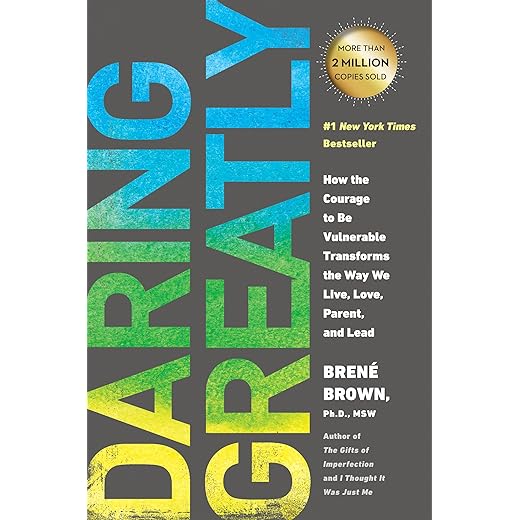
- Daring Greatly: How the Courage to Be Vulnerable Transforms the Way We Live, Love, Parent, and Lead by Brené Brown: Explores themes of vulnerability, shame, and courage, offering profound insights into the very barriers self-compassion helps dismantle. Brown’s concept of connection through shared vulnerability strongly aligns with Neff’s “common humanity.”
- The Mindful Path to Self-Compassion: Freeing Yourself from Destructive Thoughts and Emotions by Christopher Germer: As mentioned, this book offers a strong complement, focusing on integrating mindfulness and self-compassion practices with a psychotherapeutic lens.
- Radical Acceptance: Embracing Your Life With the Heart of a Buddha and the Wisdom of Psychology by Tara Brach: Blending Western psychology with Buddhist principles, Brach’s work on accepting oneself and one’s experiences with an open heart resonates deeply with the core tenets of self-compassion.
While these books touch upon related themes of acceptance, resilience, and well-being, Kristin Neff’s Self-Compassion remains the definitive, research-backed guide specifically focused on cultivating deliberate kindness and understanding towards oneself, especially in moments of pain.
Conclusion & Recommendations on Self-Compassion by Kristin Neff
Kristin Neff’s Self-Compassion: The Proven Power of Being Kind to Yourself is an exceptional, transformative book that stands as a landmark contribution to the field of psychological well-being. Its immense value lies in its clear, accessible explanation of self-compassion, its unwavering grounding in robust scientific research, and its wealth of practical tools designed to help readers cultivate this vital skill. It makes a compelling, evidence-based case that extending kindness, understanding, and acceptance to ourselves – particularly when we stumble or suffer – is not a sign of weakness or self-indulgence, but rather a fundamental source of inner strength, resilience, and peace.
Is this book worth reading? Absolutely, unequivocally yes. It offers a potent, healing antidote to the pervasive culture of self-criticism and the often-unstable pursuit of self-esteem. The insights it provides and the practices it teaches are immediately applicable and hold the potential to profoundly reshape your internal landscape and how you navigate the challenges of life.
Who should pick up this book? Anyone who is tired of the relentless voice of their inner critic, who struggles with perfectionism, anxiety, depression, shame, or guilt, or who simply yearns for a more peaceful, accepting, and genuinely supportive relationship with themselves. It is an invaluable resource for individuals processing past hurts, navigating current difficulties, or simply seeking to build a more resilient emotional foundation for everyday life.
Reading Self-Compassion is more than just acquiring information; it’s embarking on a journey towards treating yourself with the same warmth and care you would offer a cherished friend. It’s a practice that can fundamentally change your life for the better.
Have you read Kristin Neff’s Self-Compassion? We’d love to hear your thoughts and experiences in the comments below!