
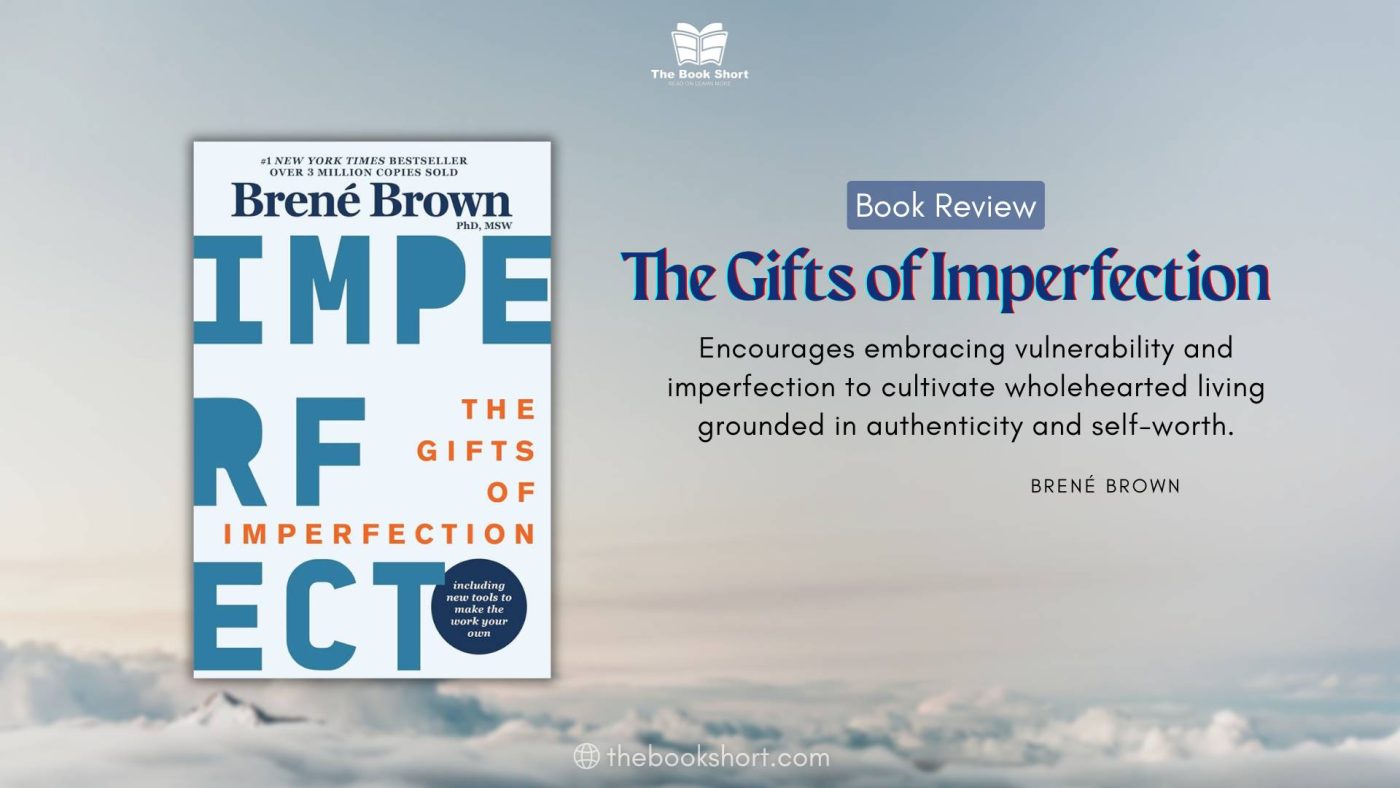
A life-changing book analysis and summary of Brené Brown’s The Gifts of Imperfection, a guide to embracing your authentic, imperfect self.
Are you ready to stop chasing “who you’re supposed to be” and finally embrace who you are? This book is a heartfelt, research-backed guide to living a more courageous and authentic life. We were drawn to this book for its rare ability to weave vulnerable storytelling with groundbreaking academic research, offering a practical roadmap to resilience and self-worth that feels both credible and profoundly human. Its true power lies in its ability to make you feel seen, understood, and finally empowered to change.
Book Vitals: The Gifts of Imperfection at a Glance
- Full Title: The Gifts of Imperfection: Let Go of Who You Think You’re Supposed to Be and Embrace Who You Are
- Author: Brené Brown, Ph.D., LMSW
- Year of Publication: 2010
- Genre: Self-Help, Psychology, Personal Development
- Page Count: Approximately 138 pages (varies by edition)
- Target Audience: Anyone struggling with perfectionism, shame, and anxiety, or who simply yearns to live a more authentic, courageous, and connected life.

The Gifts of Imperfection: 10th Anniversary Edition: Features a new foreword and brand-new tools
Summary of The Gifts of Imperfection: A Guide to Wholehearted Living
In The Gifts of Imperfection, Dr. Brené Brown launches a gentle but powerful rebellion against the cultural pressure to be perfect, offering a transformative path toward what she calls “Wholehearted Living.” This isn’t a book of quick fixes. Instead, it’s a deep, empathetic dive into the human experience, grounded in more than a decade of research on shame, vulnerability, and worthiness. Brown’s central message is both simple and revolutionary: embracing our imperfections is the only true path to a life of courage, compassion, and connection.
The Core Concepts: Shame, Vulnerability, and Courage
Before unveiling her practical guideposts, Brown lays a crucial foundation by demystifying the core emotions that quietly dictate our lives.
- Shame: Brown defines shame as the intensely painful feeling that we are flawed and therefore unworthy of love and belonging. It’s not the feeling “I did something bad” (that’s guilt), but the soul-crushing belief that “I am bad.” She reveals that shame thrives in secrecy, silence, and judgment. Its only antidote is empathy, which demands both courage and vulnerability.
- Vulnerability: Contrary to everything we’ve been taught, Brown’s research shows that vulnerability is not weakness. It is our most accurate measure of courage. Vulnerability is the birthplace of love, belonging, joy, innovation, and creativity. It’s the willingness to show up and be seen when we have no control over the outcome. To live a Wholehearted life, we must learn to lean into the discomfort of being vulnerable.
- Courage, Compassion, and Connection (The Three C’s): These are the essential gifts we receive when we embrace imperfection.
- Courage: Stemming from the Latin word for heart, courage originally meant “to speak one’s mind by telling all one’s heart.” It’s the practice of being our most authentic, vulnerable selves.
- Compassion: This means treating ourselves and others with kindness, especially when we fail. Self-compassion is the bedrock; we cannot extend to others what we don’t grant ourselves.
- Connection: This is the energy that flows between people when they feel seen, heard, and valued. It’s the reason we’re here, a need hardwired into our very biology. Shame is the force that severs our connections.
The 10 Guideposts to Wholehearted Living
The heart of the book is built around ten “guideposts,” each inviting us to cultivate a life-giving practice while letting go of a life-draining habit. They are the tangible tools for navigating the journey from perfectionism to wholeheartedness.
Guidepost #1: Cultivating Authenticity: Letting Go of What People Think.
Authenticity isn’t a trait; it’s a daily practice of choosing to let our real selves be seen, flaws and all.
Guidepost #2: Cultivating Self-Compassion: Letting Go of Perfectionism.
Perfectionism isn’t self-improvement; it’s a heavy shield we use to protect ourselves from the pain of blame, judgment, and shame. Self-compassion is the key to putting it down.
Guidepost #3: Cultivating a Resilient Spirit: Letting Go of Numbing and Powerlessness.
We often numb difficult emotions with endless scrolling, food, alcohol, or busyness. Brown urges us to lean into discomfort, practice critical awareness, and find hope to build true emotional resilience.
Guidepost #4: Cultivating Gratitude and Joy: Letting Go of Scarcity and Fear of the Dark.
In a culture obsessed with “never enough,” practicing gratitude is a radical act of defiance. Brown notes that we often “forebode joy,” waiting for the other shoe to drop. Gratitude helps us savor joy without that lingering fear.
Guidepost #5: Cultivating Intuition and Trusting Faith: Letting Go of the Need for Certainty.
Wholehearted living requires us to trust our gut and have faith in something bigger than ourselves, learning to be okay with not having all the answers.
Guidepost #6: Cultivating Creativity: Letting Go of Comparison.
Comparison is the ultimate thief of joy. Brown reminds us that creativity isn’t about being an artist; it’s about making something that is uniquely ours. This practice is essential for a wholehearted life.
Guidepost #7: Cultivating Play and Rest: Letting Go of Exhaustion as a Status Symbol and Productivity as Self-Worth.
Our culture wears busyness like a badge of honor. Brown makes a powerful, research-backed case for play and rest as non-negotiable human needs for our health and happiness.
Guidepost #8: Cultivating Calm and Stillness: Letting Go of Anxiety as a Lifestyle.
This guidepost encourages simple practices like prayer or meditation to quiet the noise, helping us respond to life thoughtfully rather than reacting out of chronic anxiety.
Guidepost #9: Cultivating Meaningful Work: Letting Go of Self-Doubt and “Supposed To.”
Meaningful work is about sharing our unique gifts with the world. This requires us to silence self-doubt and release the crushing weight of what we think we “should” be doing.
Guidepost #10: Cultivating Laughter, Song, and Dance: Letting Go of Being “Cool” and “Always in Control.”
This is about embracing pure, unbridled joy. It means letting go of our inhibitions and the need to appear composed, and instead choosing to be silly, expressive, and free.
In-depth Book Analysis of The Gifts of Imperfection
Brené Brown’s The Gifts of Imperfection transcends the self-help category by masterfully blending rigorous academic research with raw, unflinching personal storytelling. This unique alchemy creates a work that is not only emotionally resonant but also intellectually sound, giving its message about embracing imperfection an undeniable and lasting impact.
Structure and Key Arguments
The book’s structure is a work of genius in its accessibility and application. By first establishing the foundational emotional landscape—shame, vulnerability, and worthiness—before introducing the ten guideposts, Brown ensures we understand the “why” before we tackle the “how.” Without understanding the insidious nature of shame, the guideposts would feel like hollow affirmations. With that understanding, they become powerful tools for change.
Brown’s central argument is a direct challenge to the “scarcity culture” we inhabit—a world that relentlessly whispers we are not enough: not smart enough, not rich enough, not perfect enough. She argues this mindset is the very thing that fuels our shame and perfectionism. The ten guideposts are her research-backed antidotes, each brilliantly framed as “cultivating” a positive practice while “letting go” of a destructive belief. This duality is critical, acknowledging that true change requires both adding new habits and actively shedding old armor. Her most revolutionary argument, however, is the reframing of vulnerability not as weakness, but as the pinnacle of courage, turning a source of deep fear into our greatest asset for connection.
Writing Style and Content Quality
Brené Brown’s voice is the magic that holds this all together. She writes as a “researcher-storyteller,” a role she embodies with a warm, conversational, and deeply empathetic tone. She skillfully translates complex psychological concepts into everyday language, free of academic jargon. The cornerstone of her style is her own vulnerability. She shares candid stories of her own struggles, her “breakdown” (which she reframes as a spiritual awakening), and her fumbling attempts to live by these guideposts. This self-disclosure builds an immediate and powerful trust with the reader. You don’t feel lectured by an expert on high; you feel like you’re in a deep conversation with a wise, funny friend who happens to have the data to prove she’s right.
The quality of the content is exceptional. Every assertion is rooted in thousands of interviews and stories from her qualitative research. This evidence-based approach sets The Gifts of Imperfection worlds apart from self-help books built on opinion or anecdote. The content is not just inspiring; it’s deeply educational, giving readers a new, more compassionate vocabulary for understanding their own emotional lives.
Notable Quotes from the Book
The book is filled with unforgettable quotes that distill its life-changing wisdom:
- “Wholehearted living is about engaging in our lives from a place of worthiness. It means cultivating the courage, compassion, and connection to wake up in the morning and think, No matter what gets done and how much is left undone, I am enough.”
- “Perfectionism is a twenty-ton shield that we lug around thinking it will protect us, when in fact it’s the thing that’s really preventing us from taking flight.”
- “Vulnerability is the birthplace of love, belonging, joy, courage, empathy, and creativity. It is the source of hope, empathy, accountability, and authenticity. If we want greater clarity in our purpose or deeper and more meaningful spiritual lives, vulnerability is the path.”
- “Authenticity is a collection of choices that we have to make every day. It’s about the choice to show up and be real. The choice to be honest. The choice to let our true selves be seen.”
Personal Review and Evaluation of The Gifts of Imperfection
Reading The Gifts of Imperfection feels less like reading a book and more like receiving a lifeline. For many, it’s a homecoming—a profound and deeply affirming work that offers both immense comfort and a clear, urgent call to action. This is one of those rare books with the genuine power to alter the way you see yourself and the world around you.
Advantages:
The book’s greatest strength is its profound relatability. Brené Brown’s courage in sharing her own imperfections creates a safe space for readers to confront their own. Her research-backed framework provides a sturdy, credible foundation that is often missing in the self-help genre. The ten guideposts are practical and actionable, framed in a way that feels empowering rather than overwhelming. The focus isn’t on a radical, overnight transformation but on small, consistent practices of “cultivating” and “letting go.”
Disadvantages:
For readers already steeped in Brown’s other works, like Daring Greatly or her viral TED Talks, there will be some conceptual overlap, as shame and vulnerability are her life’s work. However, The Gifts of Imperfection is the foundational text, offering the most concise and direct framework for Wholehearted Living. For others, the concepts may be emotionally challenging to confront, but this is a testament to the book’s power, not a flaw in its design.
Readability and Audience:
The book is exceptionally readable. Brown’s language is clear, direct, and completely unpretentious. Its short chapters and clean structure make it easy to digest, even for those who aren’t regular readers.
This book is for anyone who has ever felt the crushing weight of trying to be perfect. It is essential reading for:
- Perfectionists, people-pleasers, and high-achievers.
- Creatives, artists, and entrepreneurs struggling with comparison and self-doubt.
- Anyone wrestling with anxiety, shame, or a persistent feeling of “not being enough.”
- Parents, leaders, teachers, and anyone who wants to cultivate environments of courage and authenticity.
Practical Value:
The practical value of this book is immense. It provides a new lens through which to view your life, your relationships, and your challenges. The lessons within can lead to tangible, life-altering shifts in mindset and behavior. Readers will learn how to:
- Recognize shame and build resilience against its corrosive effects.
- Practice self-compassion as a powerful alternative to self-criticism.
- Set meaningful boundaries and release the fear of what others think.
- Embrace rest and play as essential for well-being, not as rewards to be earned.
- Find the courage to be vulnerable, leading to deeper and more authentic connections.
Ultimately, The Gifts of Imperfection isn’t just a book; it’s a practice. It gives you the permission and the tools to lay down the heavy armor of perfectionism and step into a more authentic, joyful, and courageous life.
Similar Books to The Gifts of Imperfection
Brené Brown’s work carves a unique path between psychology, sociology, and heartfelt self-help. If you were moved by the blend of research-backed insight and compassionate guidance in The Gifts of Imperfection, these titles will resonate with you as well:
- Self-Compassion: The Proven Power of Being Kind to Yourself by Kristin Neff, Ph.D.: A perfect companion to Brown’s work, this book dives deep into the science and practice of self-compassion, a cornerstone of Guidepost #2. Neff offers practical, evidence-based exercises for developing kindness toward yourself, especially when you feel like you’ve failed.
- Mindset: The New Psychology of Success by Carol S. Dweck, Ph.D.: Dweck’s groundbreaking research on the “fixed mindset” vs. the “growth mindset” is a powerful ally to Brown’s teachings. While Brown helps you let go of the need for perfection, Dweck gives you the framework for seeing challenges not as verdicts on your worth, but as opportunities to learn and grow.
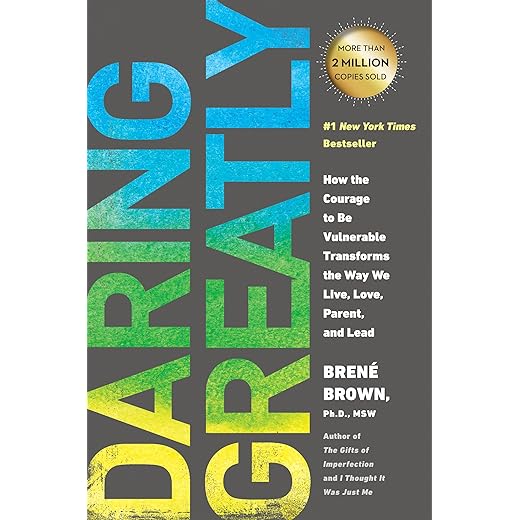
- Daring Greatly by Brené Brown: If you want to explore the concept of vulnerability in even greater detail, this is your logical next step. Brown’s follow-up book expands on how vulnerability is the bedrock of courage in every arena of our lives, from parenting and leadership to love and friendship.


Conclusion: Is The Gifts of Imperfection Worth Reading?
Yes. Unquestionably. The Gifts of Imperfection is a book that every person should read at least once. Its outstanding value lies in its power to give language to the silent, universal struggles of shame and fear, while offering a practical, heartfelt, and research-backed path toward a life of genuine worthiness. It doesn’t just inspire you; it equips you for the journey.
This book is a vital resource for anyone tired of the exhausting pursuit of perfection and ready to embrace the messy, beautiful, and imperfect reality of being human. If you feel trapped in a cycle of comparison, anxiety, and self-criticism, this book will feel like a compassionate friend taking your hand and whispering, “There’s a better way.” It’s a short book with a message that will echo through the rest of your life.
Have you read The Gifts of Imperfection? Share how it impacted you in the comments below